
Cricket matches between South Africa and India have always attracted attention because both teams feature talented batters, experienced bowlers and players capable of changing a match within a few overs. Their encounters are particularly interesting in international tournaments, where pressure, strategy and individual performances become equally important. Fans closely follow every boundary, wicket, partnership and bowling spell to understand how the contest develops. The south africa national cricket team vs india national cricket team match scorecard provides an opportunity to examine these details and understand the performances that influenced the final result.
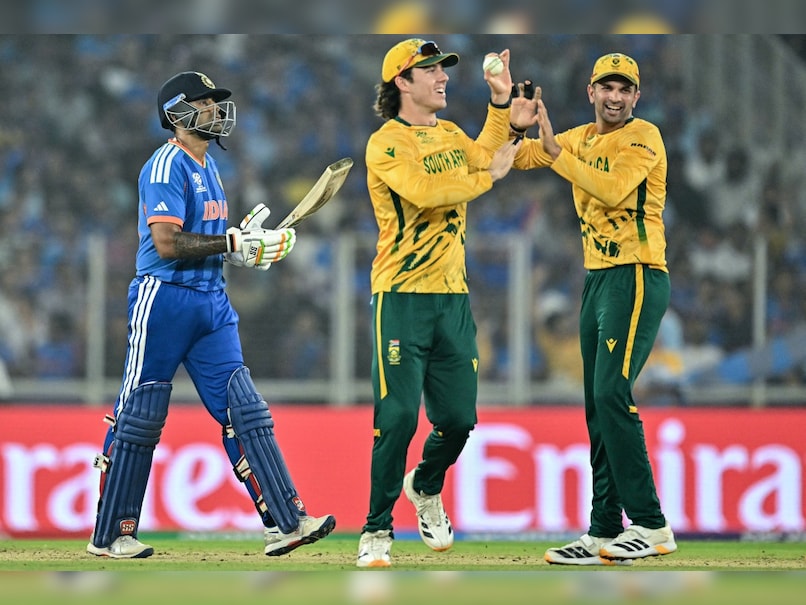
One of the notable recent meetings between these sides took place on 22 February 2026 during the ICC Men’s T20 World Cup Super Eight stage. The match was played at the Narendra Modi Stadium in Ahmedabad, where South Africa delivered an impressive performance and defeated India by 76 runs. After choosing to bat first, South Africa scored 187 runs for seven wickets in 20 overs. India struggled during the chase and were dismissed for 111 runs in 18.5 overs. David Miller played a significant role with the bat, while Marco Jansen produced an outstanding bowling performance.
This encounter demonstrated how quickly a T20 match can change when one team builds momentum and the other loses wickets at regular intervals. South Africa recovered from an early batting setback, established a competitive total and maintained pressure throughout India’s innings. Looking at the complete match details helps cricket followers understand the important contributions, turning points and tactical decisions behind the result.
South Africa vs India Match Details
The Super Eight encounter was an important fixture in the 2026 ICC Men’s T20 World Cup. Both teams entered the competition with strong expectations, and their meeting generated considerable interest among cricket supporters. South Africa won the toss and decided to bat first, hoping to establish a challenging target and use its bowling resources effectively during the second innings.
The contest took place at the Narendra Modi Stadium, one of the world’s largest cricket venues. The atmosphere added excitement to the match, while the playing conditions required batters to balance attacking shots with sensible shot selection. South Africa eventually finished with 187 runs, creating a target of 188 for India.
The following table highlights the essential match information.
| Match Information | Details |
|---|---|
| Match | South Africa vs India |
| Tournament | ICC Men’s T20 World Cup 2026 |
| Stage | Super Eight |
| Date | 22 February 2026 |
| Venue | Narendra Modi Stadium, Ahmedabad |
| Format | T20 International |
| Toss Winner | South Africa |
| Toss Decision | Bat first |
| South Africa Score | 187/7 in 20 overs |
| India Score | 111 all out in 18.5 overs |
| Match Result | South Africa won by 76 runs |
| Player of the Match | David Miller |
South Africa Batting Performance
South Africa’s first innings was an excellent example of recovering from an uncomfortable beginning. The team lost three early wickets and found itself under pressure at 20 runs for three wickets. India’s fast bowlers initially created difficulties through disciplined lines, controlled lengths and effective use of the new ball. The early dismissals gave India an opportunity to restrict South Africa to a relatively modest total.
However, the middle order responded with determination. Dewald Brevis and David Miller provided the stability and attacking intent that South Africa needed. Instead of allowing the early wickets to affect their approach, the batters concentrated on building a partnership while identifying opportunities to score boundaries. Their collaboration changed the direction of the innings and prevented India from controlling the contest completely.
David Miller’s Match-Winning Contribution
David Miller was one of the most important performers in the match. He scored 63 runs from 35 deliveries, including seven fours and three sixes. His innings combined controlled aggression with excellent awareness of the match situation. Miller understood that South Africa needed to rebuild after losing early wickets, but he also recognised that a competitive T20 total required a strong scoring rate.

His ability to find gaps and attack loose deliveries made a significant difference. Miller did not depend exclusively on powerful hitting. He rotated the strike, selected favourable scoring opportunities and accelerated when the Indian bowlers offered opportunities. His innings helped South Africa regain control and placed additional pressure on India’s bowling attack.
Dewald Brevis and Tristan Stubbs Provide Support
Dewald Brevis contributed 45 runs from 29 balls, striking three fours and three sixes. His aggressive approach complemented Miller’s innings and allowed South Africa to increase its scoring rate during the middle overs. The partnership between Brevis and Miller became a major turning point because it transformed a difficult situation into a strong platform for the final overs.
Tristan Stubbs also played an important finishing role. He remained unbeaten on 44 from 24 deliveries, hitting one four and three sixes. His late contribution ensured that South Africa did not lose its scoring momentum towards the end of the innings. Stubbs demonstrated the importance of finishing strongly in T20 cricket, where even a few additional runs can influence the opposition’s approach during a difficult chase.
India Bowling Performance Against South Africa
India’s bowling unit had a mixed outing during the first innings. The team managed to remove important top-order batters and initially appeared capable of restricting South Africa. Jasprit Bumrah was particularly effective, taking three wickets for 15 runs in his four overs. His economy rate of 3.75 reflected excellent control against an aggressive batting lineup.
Arshdeep Singh also made a useful contribution by claiming two wickets. Shivam Dube picked up one wicket, while Varun Chakaravarthy dismissed a batter but conceded more runs than the Indian team would have preferred. The middle overs became challenging because Miller and Brevis found ways to score against both pace and spin.
India’s main difficulty was allowing South Africa’s middle order to establish a substantial partnership. Once the batters became comfortable, restricting the scoring rate became increasingly difficult. The final overs also allowed Stubbs to add valuable runs, pushing South Africa towards a total of 187.
India Batting Performance During the Chase
India entered the second innings with a target of 188 runs. Although the target was achievable in a T20 international, the team needed a confident start and meaningful partnerships. Unfortunately, the Indian batting lineup experienced an early collapse that changed the nature of the chase.
Ishan Kishan was dismissed for a duck, and Tilak Varma managed only one run. Abhishek Sharma scored 15 runs from 12 deliveries, but his dismissal prevented India from developing the aggressive start required to chase the target. Losing three wickets during the powerplay created immediate pressure on the middle order.
Suryakumar Yadav attempted to stabilise the innings but scored only 18 runs from 22 balls. Washington Sundar contributed 11 runs, while Hardik Pandya added 18. These contributions were insufficient to rebuild the innings or maintain the required scoring rate. As wickets continued to fall, India’s chances of reaching the target became increasingly limited.
Shivam Dube Leads India’s Scoring
Shivam Dube was India’s leading run-scorer in the second innings. He made 42 runs from 37 deliveries, including one four and three sixes. His innings provided some resistance when the other batters were struggling to establish themselves at the crease.
Dube tried to maintain his position and keep India’s chase alive, but the lack of substantial partnerships made his task difficult. In T20 cricket, a batter cannot always recover a large deficit independently, particularly when wickets continue to fall at the other end. His dismissal near the end of the innings effectively ended India’s remaining hopes.
India eventually finished at 111 all out in 18.5 overs, falling 76 runs short of the target.
South Africa Bowling Performance
South Africa’s bowling attack played a decisive role in defending the total. The bowlers understood that early wickets would be essential against India’s powerful batting lineup. They concentrated on maintaining pressure, varying their pace and preventing Indian batters from settling into comfortable partnerships.
Marco Jansen delivered the standout bowling performance. He claimed four wickets for 22 runs in 3.5 overs, troubling India’s batters with effective variations and disciplined execution. His early breakthroughs weakened the Indian batting order, while his later wickets helped South Africa complete the victory.
Keshav Maharaj also played a significant role, taking three wickets for 24 runs in three overs. His dismissals included important middle-order batters, making it difficult for India to recover. Corbin Bosch claimed two wickets for 12 runs in three overs, adding further pressure during the chase.
Lungi Ngidi contributed through economical bowling, conceding just 15 runs in four overs. His ability to control the scoring rate demonstrated that effective T20 bowling is not always about taking wickets. Restricting boundaries and creating pressure can encourage batters to take unnecessary risks.
Major Turning Points of the Match
The south africa national cricket team vs india national cricket team match scorecard highlights several important moments that explain the difference between the two teams. Although South Africa lost three early wickets, the middle-order partnership between Miller and Brevis prevented a collapse. Their contribution gave the team an opportunity to build a competitive total.
Another important moment was Tristan Stubbs’ unbeaten finishing contribution. His 44 runs from 24 balls helped South Africa reach 187, a total that provided its bowlers with sufficient room to attack during the chase. Without those late runs, India’s required target would have been smaller.
India’s powerplay collapse was equally significant. Losing three wickets for 31 runs during the first six overs meant that the team had to rebuild while maintaining a demanding scoring rate. South Africa took advantage of this situation and continued attacking rather than allowing India to establish partnerships.
The most important match developments included:
- David Miller’s 63-run innings after South Africa lost early wickets.
- Dewald Brevis’ attacking contribution of 45 runs.
- Tristan Stubbs’ unbeaten 44-run finishing innings.
- Marco Jansen’s four-wicket spell and Keshav Maharaj’s three wickets.
- India’s dismissal for 111 runs in 18.5 overs.
Why South Africa Won the Match
South Africa’s victory was the result of contributions from multiple departments. The batting unit recovered from an early setback, established an important partnership and finished the innings with an impressive scoring burst. Rather than depending on one batter throughout the innings, the team received useful contributions from Brevis, Miller and Stubbs.
The bowling performance was equally important. South Africa attacked India’s top order and maintained pressure during the middle overs. The combination of Jansen’s pace, Maharaj’s spin and Bosch’s effective bowling prevented India from building partnerships. The fielding unit also supported the bowlers by taking important catches and maintaining energy throughout the innings.
India, on the other hand, struggled to respond after losing early wickets. Although individual players attempted to contribute, the team could not establish the partnerships required for a successful chase. The difference between the two sides was particularly visible in their ability to handle pressure during important stages of the match.
Importance of the Match for Both Teams
The encounter provided useful lessons for both teams. For South Africa, the victory demonstrated the value of a strong middle order and a balanced bowling attack. The ability to recover after losing three early wickets showed that a T20 innings does not necessarily depend on a perfect start. Experienced players can change the situation through partnerships and calculated attacking cricket.
For India, the defeat highlighted the importance of protecting the top order during difficult conditions. A strong batting lineup still needs to adapt when early wickets fall. Middle-order players must understand when to rebuild and when to increase the scoring rate. The match also demonstrated why partnerships are essential when chasing a target above 180 runs.
The result was significant in the Super Eight stage because every match carried considerable importance for teams attempting to progress further in the competition. A defeat against a strong opponent can affect confidence and increase the importance of subsequent fixtures.
How to Understand a Cricket Match Scorecard
A cricket scorecard contains much more information than the final number of runs scored by each team. It helps readers evaluate batting contributions, bowling efficiency, partnerships and the overall development of a match. Understanding the different statistical categories makes it easier to identify why a team won or lost.
For example, David Miller’s 63 runs from 35 balls indicate both his contribution and his scoring speed. His strike rate was 180.00, which means he scored at an average rate of 1.8 runs per delivery. Similarly, Marco Jansen’s four wickets for 22 runs demonstrate his effectiveness as a bowler because he dismissed four batters while conceding relatively few runs.
Some important scorecard terms include:
- Overs: The number of completed bowling overs, with six legal deliveries in a standard over.
- Strike Rate: The number of runs a batter scores per 100 balls faced.
- Economy Rate: The average number of runs conceded by a bowler per over.
- Extras: Additional runs awarded through wides, no-balls, byes and leg-byes.
The south africa national cricket team vs india national cricket team match scorecard becomes more useful when these statistics are considered together instead of examining individual figures separately. For instance, a batter’s high score may not always indicate a successful innings if it requires too many deliveries in a demanding chase.
Conclusion
The South Africa versus India Super Eight encounter in the 2026 ICC Men’s T20 World Cup was an impressive demonstration of South Africa’s ability to recover, accelerate and defend a challenging total. South Africa scored 187/7 in 20 overs before restricting India to 111 all out in 18.5 overs, securing a 76-run victory. David Miller’s 63-run contribution, Dewald Brevis’ attacking innings and Tristan Stubbs’ unbeaten 44 helped establish the foundation for the win.
The bowling department completed the job through excellent performances from Marco Jansen, Keshav Maharaj and Corbin Bosch. India’s bowlers also produced important moments, particularly Jasprit Bumrah’s three wickets, but the batting lineup could not maintain the momentum needed during the chase.
Overall, the south africa national cricket team vs india national cricket team match scorecard offers a detailed picture of how partnerships, bowling discipline and pressure management shaped the result. It also highlights why international T20 cricket remains unpredictable and entertaining. For cricket followers, studying the individual performances alongside the final score provides a much clearer understanding of the match than simply looking at the winning margin.

