
The Indian Premier League (IPL) is one of the most exciting T20 cricket tournaments in the world. Every season brings intense competition, outstanding individual performances, unexpected victories and memorable moments. With ten franchises competing for the championship, the league stage becomes particularly interesting as teams fight to secure their positions and qualify for the playoffs. Supporters follow every match closely because even a single victory or defeat can influence the overall competition.
The IPL standings provide a clear picture of how every franchise performs throughout the tournament. They show the number of matches played, victories, defeats, no-result games, total points and net run rate. These figures help cricket followers understand which teams are dominating the competition and which sides are struggling to maintain consistency. The rankings also become increasingly important towards the end of the league stage when qualification opportunities become limited.
The 2026 season delivered an interesting points-table battle, particularly because three franchises finished the league stage with 18 points. Royal Challengers Bengaluru secured the first position through a superior net run rate, followed by Gujarat Titans and Sunrisers Hyderabad. Rajasthan Royals claimed the remaining playoff position, while Punjab Kings narrowly missed qualification. This article examines the final 2026 standings, explains the points system and explores the performances that shaped the season.
IPL Standings 2026: Complete Final Points Table
The 2026 Indian Premier League league stage featured ten teams playing 14 matches each. The competition produced a closely contested battle at the top, with Royal Challengers Bengaluru, Gujarat Titans and Sunrisers Hyderabad finishing level on points. Their positions were ultimately determined by net run rate, demonstrating how important every run can become during a long tournament.
FINAL 2026 LEAGUE-STAGE TABLE
| Position | Team | Played | Won | Lost | NR | Points | NRR |
|---|---|---|---|---|---|---|---|
| 1 | Royal Challengers Bengaluru | 14 | 9 | 5 | 0 | 18 | +0.783 |
| 2 | Gujarat Titans | 14 | 9 | 5 | 0 | 18 | +0.695 |
| 3 | Sunrisers Hyderabad | 14 | 9 | 5 | 0 | 18 | +0.524 |
| 4 | Rajasthan Royals | 14 | 8 | 6 | 0 | 16 | +0.189 |
| 5 | Punjab Kings | 14 | 7 | 6 | 1 | 15 | +0.309 |
| 6 | Delhi Capitals | 14 | 7 | 7 | 0 | 14 | -0.651 |
| 7 | Kolkata Knight Riders | 14 | 6 | 7 | 1 | 13 | -0.147 |
| 8 | Chennai Super Kings | 14 | 6 | 8 | 0 | 12 | -0.345 |
| 9 | Mumbai Indians | 14 | 4 | 10 | 0 | 8 | -0.584 |
| 10 | Lucknow Super Giants | 14 | 4 | 10 | 0 | 8 | -0.740 |
Source: Published 2026 league-stage standings.
The table highlights the difference between the leading franchises and the teams that struggled during the competition. Royal Challengers Bengaluru finished first with 18 points and the highest net run rate among the three leading teams. Gujarat Titans occupied second place, while Sunrisers Hyderabad completed the top three. Rajasthan Royals secured fourth position with 16 points, making them the final team to qualify for the playoffs.
Punjab Kings finished fifth with 15 points despite recording seven victories and receiving one point from an abandoned match. Delhi Capitals followed with 14 points, while Kolkata Knight Riders and Chennai Super Kings occupied seventh and eighth positions. Mumbai Indians and Lucknow Super Giants completed the bottom two places with eight points each.
Understanding the Top Four Teams
1. Royal Challengers Bengaluru – First Position
Royal Challengers Bengaluru delivered the strongest league-stage performance in terms of their final ranking. The franchise played 14 matches, registered nine victories and suffered five defeats, collecting 18 points. Its net run rate of +0.783 placed it above Gujarat Titans and Sunrisers Hyderabad, who also finished with 18 points. This achievement reflected the importance of maintaining a healthy scoring rate while controlling the opposition’s batting performance.
Finishing first also provided RCB with an important advantage in the playoff structure. The team earned an opportunity to compete in Qualifier 1, where the winner could advance directly to the final. RCB eventually converted its strong league-stage campaign into a championship-winning season, making 2026 another memorable chapter in the franchise’s history. Its performance demonstrated how consistent results across the tournament can create a valuable advantage during the knockout rounds.
2. Gujarat Titans – Second Position
Gujarat Titans finished second with nine victories, five defeats and 18 points from 14 matches. Their net run rate of +0.695 was impressive, although it remained slightly below the figure achieved by Royal Challengers Bengaluru. The franchise demonstrated considerable consistency throughout the competition and remained involved in the race for the top position until the conclusion of the league stage.
One of Gujarat’s major strengths was its ability to compete effectively in different match situations. The team maintained a competitive balance between batting and bowling, allowing it to collect important victories. Its second-place finish provided access to Qualifier 1, creating an opportunity to reach the final without depending entirely on the Eliminator route. Gujarat eventually finished as the runners-up, completing a successful campaign despite missing the championship.
3. Sunrisers Hyderabad – Third Position
Sunrisers Hyderabad also collected 18 points after winning nine matches and losing five. However, its net run rate of +0.524 placed the franchise below RCB and Gujarat Titans. The difference between these three teams demonstrates why net run rate remains an important part of tournament rankings.
Hyderabad’s third-place finish secured playoff qualification, but the team had a more difficult route towards the final than the top two sides. Finishing third meant competing in the Eliminator, where there was no second opportunity after defeat. Although the franchise demonstrated strong league-stage performances, its final ranking highlighted how important it is to finish among the top two teams whenever possible.
4. Rajasthan Royals – Fourth Position
Rajasthan Royals secured the final playoff position with eight victories, six defeats and 16 points. Their net run rate of +0.189 was positive, helping the franchise finish ahead of the other teams outside the top four. The campaign included several important performances, particularly towards the final stage of the league competition.
Rajasthan’s qualification was significant because Punjab Kings remained close behind with 15 points. The difference of just one point separated the two franchises. Rajasthan successfully converted its available opportunities into enough victories to secure fourth place, while Punjab could not overcome the points deficit. This result demonstrated how a single match can influence an entire season.
How the IPL Points System Works
Understanding the points system makes it easier to interpret the rankings. Each franchise participates in a fixed number of league matches, and the points earned from those games determine its position. A victory provides two points, while a defeat provides no points. When a match is abandoned or produces no result, both teams generally receive one point.

The total points are not the only factor used to arrange teams. When two or more franchises finish with the same number of points, the competition uses additional performance measurements to determine their positions. Net run rate is particularly important because it considers the scoring and conceding rates across completed matches.
For example, three franchises finishing with 18 points does not automatically mean they share the same position. Their net run rates are compared to establish the order. This is exactly what happened in 2026, when RCB finished above Gujarat Titans and Sunrisers Hyderabad despite all three teams winning nine matches.
Important Points Table Terms
-
Played (P): Total league matches completed by a team.
-
Won (W): Number of matches won during the competition.
-
Lost (L): Number of matches lost.
-
No Result (NR): Matches that finish without an official result.
-
Points (Pts): Total points earned through victories and no-result matches.
-
Net Run Rate (NRR): A measurement comparing scoring and conceding rates.
These terms provide a useful foundation for understanding the rankings without needing to examine every individual match result. They also help supporters identify whether a franchise is depending on victories, benefiting from abandoned matches or maintaining a strong net run rate.
Why Net Run Rate Matters in IPL Rankings
Net run rate is one of the most important statistical measurements in limited-overs cricket. It becomes particularly valuable when multiple teams finish with identical points. Instead of relying only on the number of victories, the tournament uses this calculation to evaluate how effectively teams score runs and restrict their opponents.
The basic calculation compares the average runs scored per over by a team with the average runs conceded per over. A positive result indicates that the team has scored faster than its opponents have scored against it. A negative result indicates the opposite. Therefore, a higher positive net run rate generally represents a stronger overall scoring performance.
The 2026 season offered an excellent example of this situation. Royal Challengers Bengaluru, Gujarat Titans and Sunrisers Hyderabad all collected 18 points. However, RCB’s +0.783 net run rate placed it first, while Gujarat’s +0.695 secured second position and Hyderabad’s +0.524 resulted in third place.
This difference was important because the top two teams received a second opportunity through Qualifier 2 if they lost Qualifier 1. The third- and fourth-placed teams had to compete in the Eliminator instead. Consequently, maintaining a strong net run rate throughout the league stage was not simply about improving statistics; it also influenced the route towards the championship.
Teams That Missed the Playoffs
Punjab Kings – Fifth Position
Punjab Kings finished fifth with 15 points after winning seven matches, losing six and receiving one point from a no-result game. Their final position was particularly disappointing because they came within one point of the playoff qualification mark achieved by Rajasthan Royals.
The franchise showed the ability to compete with several strong opponents, but its overall results were not sufficient to enter the top four. The abandoned match also influenced its points total, although the team could not collect enough additional victories to overtake Rajasthan. Punjab’s campaign demonstrated how a strong start or a few impressive performances cannot always compensate for dropped opportunities later in the competition.
Delhi Capitals – Sixth Position
Delhi Capitals ended their campaign with 14 points, recording seven wins and seven defeats. Their season reflected an inconsistent pattern in which positive performances were not always followed by similar results. Although the team remained competitive in several matches, its final position indicated that it needed greater consistency to challenge the leading franchises.
A balanced performance across batting and bowling is essential for teams seeking playoff qualification. Delhi had moments of promise, but the overall results placed it two points behind Rajasthan Royals. Its negative net run rate also highlighted the difficulty of maintaining control in matches that did not go according to plan.
Kolkata Knight Riders – Seventh Position
Kolkata Knight Riders collected 13 points through six victories, seven defeats and one no-result match. The franchise struggled to establish a consistent winning pattern and finished outside the playoff positions. Its negative net run rate of -0.147 further reflected the challenges experienced during the season.
For a team with a competitive history, the seventh-place finish represented a campaign that required improvement. Better performances in close matches and greater consistency across different phases of the tournament could have made a significant difference to its final position.
Chennai Super Kings – Eighth Position
Chennai Super Kings finished eighth after winning six matches and losing eight. Their 12 points placed them below Kolkata Knight Riders and the other franchises competing for playoff qualification. The campaign was challenging because the team could not maintain the winning momentum necessary to move towards the upper half of the table.
CSK supporters traditionally expect competitive performances, particularly because the franchise has enjoyed considerable success in previous IPL seasons. However, the 2026 campaign demonstrated that past achievements do not guarantee future results. Every season requires effective planning, strong execution and consistent performances from the entire squad.
Mumbai Indians and Lucknow Super Giants – Bottom Two
Mumbai Indians and Lucknow Super Giants both finished with eight points after recording four victories and ten defeats. Mumbai occupied ninth position with a net run rate of -0.584, while Lucknow finished tenth with -0.740.
Their campaigns were difficult because repeated defeats prevented either franchise from building momentum. Both teams needed more consistent batting contributions, effective bowling performances and improved match management. Their final positions also demonstrated how quickly a team can fall behind when it struggles to convert competitive performances into victories.
How Playoff Qualification Works
The IPL playoff format gives the four highest-ranked franchises an opportunity to compete for the championship. However, the system provides an additional advantage to teams that finish first and second. This makes the final league-stage rankings particularly important.
The playoff structure generally includes four matches: Qualifier 1, the Eliminator, Qualifier 2 and the final. The first- and second-placed teams compete in Qualifier 1. The winner directly advances to the final, while the losing team receives another opportunity in Qualifier 2.
Meanwhile, the third- and fourth-placed franchises face each other in the Eliminator. The winner progresses to Qualifier 2, where it meets the losing team from Qualifier 1. The winner of Qualifier 2 then joins the Qualifier 1 winner in the final.
This structure rewards teams that perform consistently throughout the league stage. Finishing first or second offers a valuable second opportunity, while teams in third and fourth positions have a more challenging route.
Major Factors That Influence Team Rankings
Several factors determine whether a franchise can maintain a strong position throughout an IPL season. Although winning matches is the primary objective, successful teams generally demonstrate consistency in multiple areas.
Batting Performance and Run Scoring
Batting is a major factor in determining match results and net run rate. Teams with reliable opening partnerships, powerful middle-order batters and effective finishers can build competitive totals or chase difficult targets. However, scoring quickly should not come at the expense of losing wickets unnecessarily.
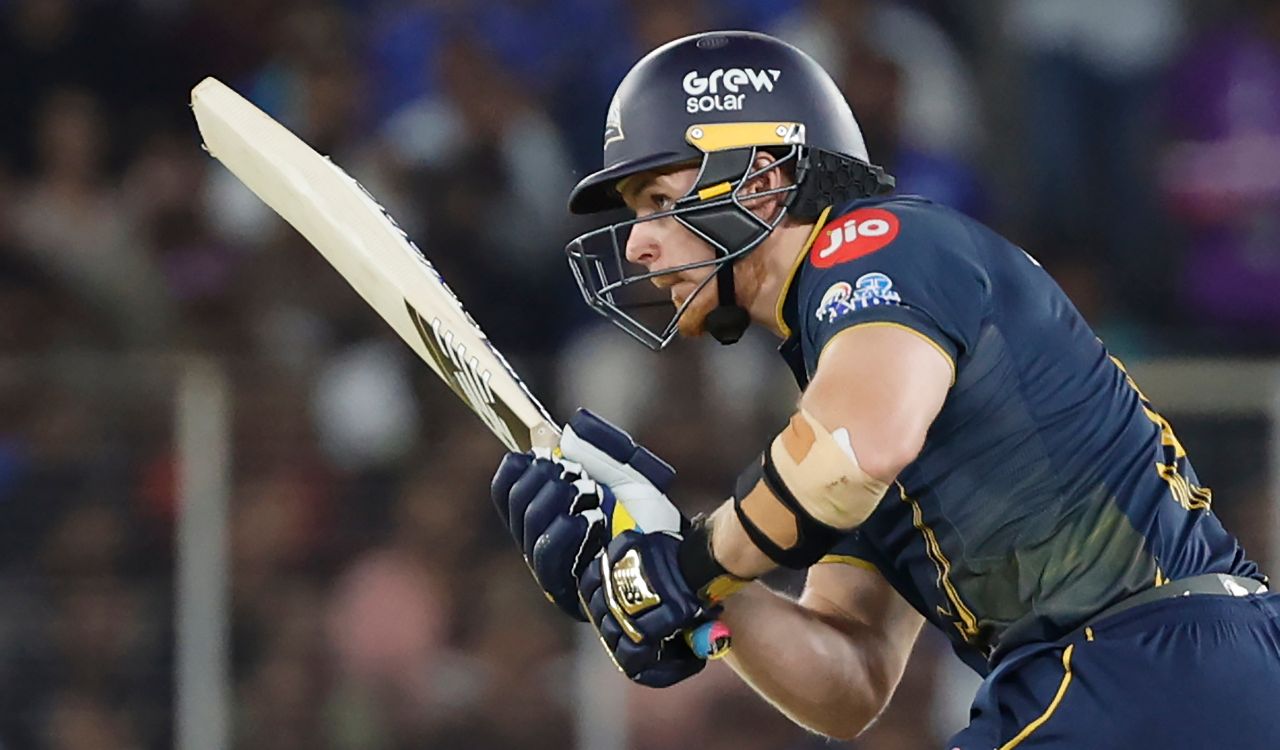
A franchise that consistently scores competitive totals can put pressure on opposition teams. Similarly, successful run chases help maintain confidence and improve the team’s overall position. The ability to adapt to different pitches and match situations is particularly important in a long tournament.
Bowling Consistency
Strong bowling performances are equally important because restricting opponents can influence both match results and net run rate. Fast bowlers create opportunities through pace and movement, while spinners can control the scoring rate during the middle overs.
Teams also need effective death-over bowling strategies. The final overs often determine whether a competitive total becomes a winning score. Bowlers who maintain discipline under pressure can help their franchises collect important points.
Team Combination and Match Strategy
A successful IPL campaign requires more than individual performances. Coaches and team management must select suitable combinations according to pitch conditions, opposition strengths and available players. A balanced squad generally includes dependable batters, specialist bowlers, all-rounders and experienced finishers.
Captaincy decisions also influence the outcome of matches. Field placements, bowling changes, batting-order adjustments and decisions during pressure situations can make a considerable difference. Teams that make effective tactical decisions are better positioned to maintain consistency throughout the season.
What the 2026 Season Revealed About the Competition
The 2026 competition demonstrated how competitive the modern IPL has become. Three teams finishing with 18 points created an especially interesting battle for the first position. Even though they recorded identical numbers of victories and defeats, their net run rates produced three different rankings.
Another important observation was the narrow gap between Rajasthan Royals and Punjab Kings. Rajasthan qualified with 16 points, whereas Punjab finished with 15. This difference highlights why every league match deserves attention, even when a franchise appears comfortably positioned in the middle of the table.
The lower half also provided an important lesson about consistency. Delhi Capitals, Kolkata Knight Riders and Chennai Super Kings could not collect enough victories to challenge the leading four teams. Mumbai Indians and Lucknow Super Giants experienced even greater difficulties, finishing with only four victories each.
The final results also confirmed that strong league-stage performances can translate into championship success. Royal Challengers Bengaluru eventually won the 2026 title after finishing first in the league standings. Gujarat Titans finished as runners-up, completing an impressive season of their own.
Why Cricket Supporters Follow the Standings Regularly
The points table is more than a statistical record. It helps supporters understand the bigger picture of the tournament and follow their favourite franchises throughout the season. Rather than checking only match results, fans can examine the overall progress of every team and understand how individual performances influence qualification opportunities.
For example, a franchise winning consecutive matches may move several positions higher, particularly when other teams around it suffer defeats. Similarly, a team losing important matches can quickly fall behind in the competition. Net run rate adds another dimension because a convincing victory can provide a statistical advantage beyond the two points earned.
The IPL standings are also useful for comparing team performances across different stages of the tournament. Supporters can examine which franchises maintained consistency, which teams struggled towards the end and which sides performed particularly well against stronger opponents.
For cricket enthusiasts, analysts and sports content readers, understanding these rankings makes the competition more interesting. It provides context to individual matches and explains why certain victories or defeats become particularly important during the final weeks.
Conclusion
The 2026 Indian Premier League season delivered an exciting points-table competition, with several franchises fighting until the final stages to secure better positions. Royal Challengers Bengaluru finished first with 18 points and the strongest net run rate among the leading teams. Gujarat Titans and Sunrisers Hyderabad followed in second and third positions, while Rajasthan Royals secured the fourth and final playoff place.
Punjab Kings narrowly missed qualification with 15 points, while Delhi Capitals, Kolkata Knight Riders and Chennai Super Kings finished in the middle and lower sections of the table. Mumbai Indians and Lucknow Super Giants experienced difficult campaigns, ending the league stage with eight points each.
Following the IPL standings helps supporters understand the complete competitive picture rather than focusing on individual match outcomes. Points, victories, defeats and net run rate collectively explain how teams progress throughout the tournament. The 2026 season once again demonstrated that consistency, effective strategies and strong performances under pressure are essential for championship success. Royal Challengers Bengaluru ultimately turned their impressive league-stage position into a title-winning campaign, providing a memorable conclusion to the season.

