
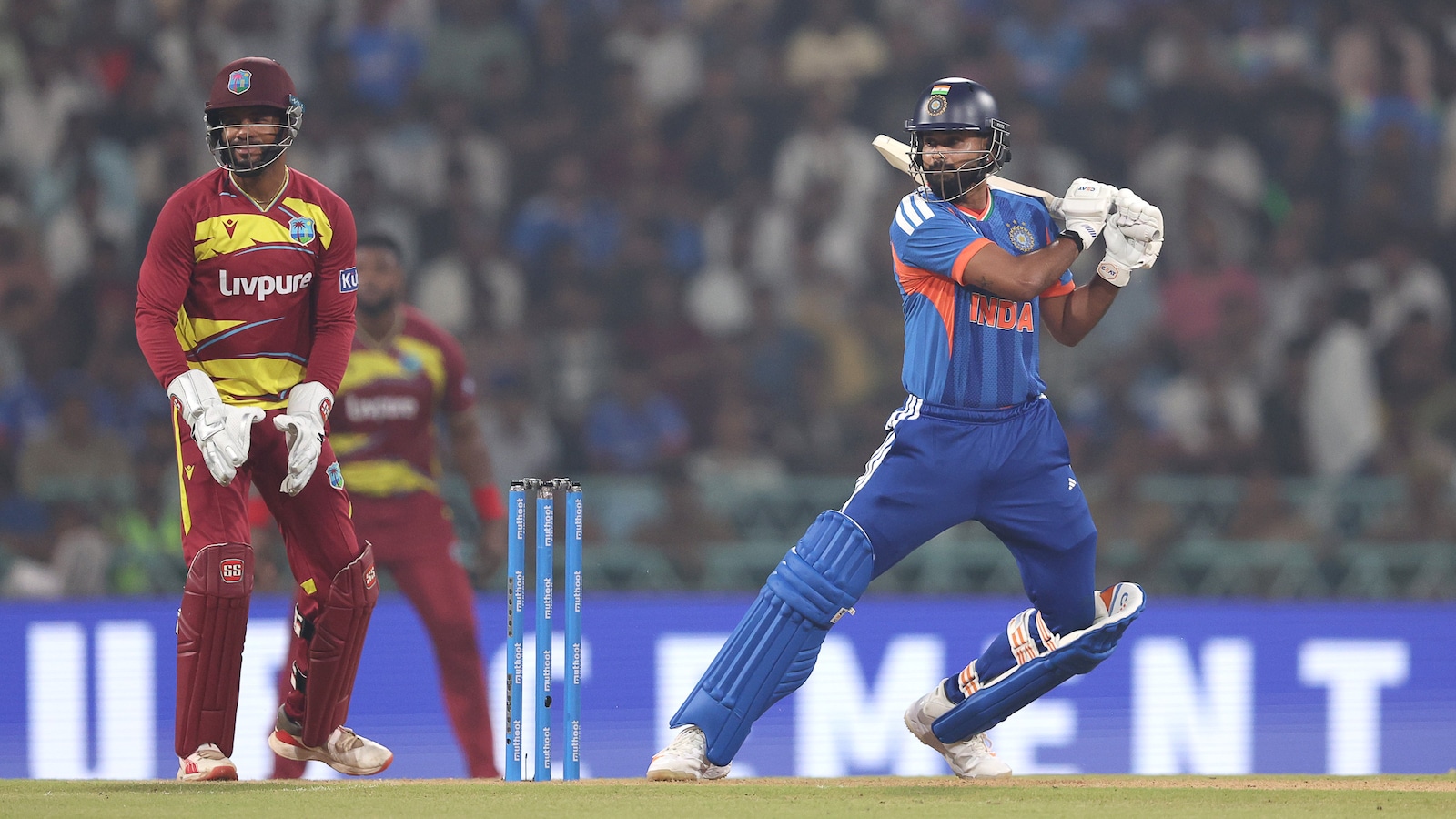
The India vs West Indies cricket rivalry has a special place in international cricket history. Both teams have produced legendary players, unforgettable performances and memorable Test matches that have shaped the sport across generations. From the dominance of the West Indies during their golden era to India’s rise as a powerful force in international Test cricket, this contest reflects the evolution of cricket and the changing balance of power between two proud cricketing nations.
For fans following india vs west indies test matches, the excitement goes beyond the final score. Test cricket highlights patience, technique, strategy, mental strength and the ability to perform under pressure over five days. Every session can change the direction of a match, whether through a fast bowler’s aggressive spell, a batter’s determined century or a captain’s tactical decision.
This blog explores the history of the rivalry, its greatest players, the importance of Test cricket, key factors that influence match results and what Indian supporters should watch when these teams meet. It also explains how to follow the contest thoughtfully and understand the tactical details that make the longest format of cricket so compelling.
The History of India vs West Indies Test Cricket
India and the West Indies have a long history in international cricket, with their Test rivalry beginning in 1948. Their early encounters helped establish a competitive relationship between teams with different cricketing traditions and playing styles.
During the early decades, the West Indies were renowned for their powerful batting line-ups and exceptional pace bowling. Players such as Sir Garfield Sobers, Rohan Kanhai and later Viv Richards became symbols of the Caribbean team’s attacking approach. India, meanwhile, developed a reputation for technically skilled batters, talented spin bowlers and players capable of adapting to challenging conditions.
As Indian cricket progressed, the team became increasingly competitive against international opponents. The emergence of outstanding batters and bowlers helped India challenge established teams more consistently. Over time, the rivalry developed into a contest that showcased different generations of cricketing talent.
The historical significance of this series lies in how both teams have influenced the sport. West Indies cricket demonstrated the effectiveness of aggressive pace bowling and fearless batting, while India built a strong Test identity through batting depth, spin expertise and eventually a formidable fast-bowling attack.
Why India vs West Indies Test Matches Matter
Test cricket is often considered the ultimate examination of a cricketer’s abilities. Unlike shorter formats, it allows teams to recover from difficult sessions, change strategies and build performances over several days.
An india vs west indies test match offers supporters an opportunity to appreciate the finer details of the game. A batter may need to defend carefully for an extended period before accelerating, while a bowler must maintain discipline even when wickets are difficult to find. Captains must balance attacking fields with defensive protection, depending on the match situation.
Several elements make this rivalry particularly interesting:
-
Historical importance: The teams share decades of international cricket history.
-
Different playing traditions: Their cricketing cultures have developed distinct strengths and approaches.
-
Individual brilliance: Match-winning performances can come from batters, fast bowlers, spinners or all-rounders.
-
Tactical depth: Pitch conditions, weather, batting order and bowling changes can influence the result.
-
Changing generations: Established stars and emerging players continually shape the rivalry.
For fans, understanding these factors creates a richer experience than simply checking the scorecard after the match.
Legendary Players Who Shaped the Rivalry
The India–West Indies Test rivalry has featured some of cricket’s most influential players. Their achievements have contributed to the reputation of both teams and inspired generations of supporters.
India’s Great Test Cricket Performers
Indian cricket has produced outstanding batters, bowlers and all-rounders who have helped establish the country as a major force in Test cricket.
-
Sunil Gavaskar: Renowned for his exceptional batting technique and ability to face the formidable West Indies pace attacks of his era.
-
Kapil Dev: An influential all-rounder who combined fast bowling with valuable batting contributions.
-
Sachin Tendulkar: Celebrated for his consistency, technical skill and achievements across international cricket.
-
Rahul Dravid: Known for his patience, concentration and ability to bat for long periods under pressure.
-
Anil Kumble: One of India’s leading Test wicket-takers, recognised for his determination and effectiveness as a leg-spinner.
-
Virat Kohli: A modern-era batter associated with aggressive leadership, strong batting performances and India’s competitive Test identity.
-
Ravichandran Ashwin: An accomplished spinner whose variations, tactical awareness and batting contributions have made him a significant Test cricketer.
These players represent different stages of India’s development in the longest format. Their careers demonstrate how batting discipline, bowling variety and leadership can contribute to sustained success.
West Indies’ Legendary Cricketers
West Indies cricket has also produced players whose achievements transformed the international game.
-
Sir Garfield Sobers: An exceptional all-rounder admired for his batting, bowling and fielding.
-
Viv Richards: A celebrated batter known for his confidence, attacking approach and ability to dominate bowlers.
-
Clive Lloyd: A successful captain who led a powerful West Indies side during a celebrated period in its history.
-
Malcolm Marshall: A highly respected fast bowler known for his pace, control and ability to generate movement.
-
Courtney Walsh: A durable fast bowler recognised for his discipline and longevity.
-
Brian Lara: Famous for his extraordinary batting talent, concentration and record-breaking innings.
-
Shivnarine Chanderpaul: A determined batter whose unusual technique and patience made him difficult to dismiss.
These cricketers helped establish the West Indies as one of the most respected teams in Test cricket. Their legacy remains important whenever the two sides meet.
Key Factors That Decide an India vs West Indies Test Match
Test cricket rarely depends on one moment alone. Results generally emerge from a combination of batting partnerships, bowling spells, captaincy decisions and the ability to adapt to conditions.
1. Pitch and Ground Conditions
Pitch conditions influence how the match develops. A surface offering consistent bounce may favour technically sound batters, while a pitch providing movement can help seam bowlers create early opportunities.
On surfaces that become slower or develop turn, spinners may become increasingly important as the match progresses. Captains and coaching staff must assess the conditions before selecting their playing XI and deciding how to approach each innings.
Home advantage can also matter. Familiarity with local pitches, weather patterns and ground dimensions may help players prepare more effectively. However, conditions vary between venues, so neither team should be judged solely by its historical reputation.
2. Batting Technique and Partnerships
Strong batting partnerships are essential in Test cricket. Two batters who communicate well can rotate the strike, reduce pressure and force opposing captains to reconsider their field placements.
For India, a balanced batting approach can be especially valuable when facing disciplined fast bowling. Players must decide when to leave deliveries outside off stump, when to defend and when to score through available gaps.
West Indies batters face similar challenges when confronting India’s seamers and spinners. Building a substantial first-innings total can give a team greater flexibility when setting fields and managing its bowling resources.
3. Fast Bowling and Spin Bowling
Bowling combinations often determine how effectively a team controls a Test match. Fast bowlers can exploit movement through the air, uneven bounce and weaknesses in batting technique. They also need sufficient stamina to maintain pressure across long spells.
Spinners contribute by varying their pace, flight and line while targeting batters who struggle against turn. On suitable surfaces, they can build pressure through repeated dot balls and encourage mistakes.
The most effective attack is not necessarily the one with the fastest bowler or the most experienced spinner. It is the attack that works together, creates chances and adapts to the conditions.
4. Captaincy and Match Strategy
Test captains must think several steps ahead. Decisions about declaring an innings, setting attacking fields, rotating bowlers and managing the new ball can have lasting consequences.
For example, a captain defending a moderate total may need to attack early to create wicket-taking opportunities. When defending a large lead, the same captain might use different field placements and bowling changes to control scoring while preserving energy.
Weather forecasts, remaining overs and the condition of the pitch also affect strategy. Successful leadership requires balancing immediate opportunities against the team’s longer-term objectives.

India vs West Indies Test: How to Analyse the Match
Fans who want to understand a Test match more deeply can follow a few important indicators rather than concentrating only on runs and wickets.
|
Match factor |
What to look for |
Why it matters |
|---|---|---|
|
First-innings score |
Total runs and wickets lost |
Helps establish the match’s initial direction |
|
Batting partnerships |
Runs added between dismissals |
Shows whether batters are building pressure |
|
Bowling economy |
Runs conceded per over |
Indicates how effectively scoring is controlled |
|
Wicket-taking spells |
Wickets in a short period |
Can change the momentum quickly |
|
Lead or deficit |
Difference between the teams’ totals |
Influences declarations and follow-on decisions |
|
Remaining time |
Overs and days left |
Determines whether a result is realistic |
A scorecard becomes more meaningful when these elements are considered together. For instance, a team scoring quickly but losing regular wickets may be in a weaker position than one accumulating runs steadily with wickets in hand.
Similarly, a bowler who takes fewer wickets can still contribute significantly by restricting scoring and allowing another bowler to attack from the opposite end.
The Importance of Young Players and Future Generations
The future of the India vs West Indies rivalry depends on how effectively both teams develop emerging talent. Young batters must learn to handle extended periods of pressure, while developing bowlers need to build accuracy, stamina and tactical awareness.
India has a large domestic cricket structure that provides opportunities for players to progress through age-group cricket, domestic competitions and higher levels of representative cricket. West Indies cricket draws talent from across the Caribbean, where developing players and strengthening the pathway to international cricket remain important priorities.
New players bring fresh approaches to the traditional format. Some may rely on aggressive stroke play, while others build their innings through patient defence. Similarly, young fast bowlers may offer pace and bounce, whereas spinners can introduce new variations.
Their performances can influence team selection, improve competition for places and shape the direction of future series. For supporters, watching emerging players develop against established international opposition is one of the most rewarding aspects of Test cricket.
How Indian Fans Can Follow Test Cricket More Effectively
Indian cricket supporters have several ways to enjoy and understand an international Test series. Live coverage provides the full match experience, while scorecards and session summaries help fans follow developments when they cannot watch every delivery.
A useful approach includes the following habits:
-
Check the confirmed playing XIs before the match begins.
-
Review the pitch report and weather forecast.
-
Follow batting partnerships instead of focusing only on individual scores.
-
Track bowling figures, including economy rate and overs bowled.
-
Pay attention to changes in the required lead or target.
-
Review session summaries to understand shifts in momentum.
-
Check official match reports for confirmed results and player statistics.
Fans should also distinguish between pre-match predictions and confirmed outcomes. Test matches can change direction unexpectedly, and an apparent advantage does not guarantee victory.
For accurate information, prioritise official cricket scorecards, recognised broadcasters and established cricket reporting outlets. This helps reduce confusion caused by unofficial score updates or unsupported claims circulating on social media.
Common Misconceptions About India vs West Indies Test Cricket
Several assumptions can make it harder to understand how a Test match is likely to develop.
Misconception 1: A strong batting line-up guarantees victory. Even talented batters can struggle against disciplined bowling, difficult conditions or changing weather.
Misconception 2: Fast bowlers are always more important than spinners. The effectiveness of each type of bowler depends on the pitch, the opposition and the match situation.
Misconception 3: A team leading after the first innings will necessarily win. A substantial lead can be valuable, but the remaining innings, time and conditions still matter.
Misconception 4: Historical dominance determines current results. Past achievements provide context, but current player availability, form and team balance are more relevant to a particular match.
Understanding these points helps supporters assess performances fairly and appreciate the strategic complexity of Test cricket.
FAQs
1. When did India and West Indies first play a Test match?
India and the West Indies first played a Test series in 1948. Their rivalry has since featured multiple generations of prominent international cricketers.
2. Why is India vs West Indies Test cricket popular?
The rivalry combines a rich cricketing history, talented players, different playing styles and the tactical challenges of five-day cricket. Each series offers opportunities for memorable individual and team performances.
3. Which factors are most important in an India vs West Indies Test match?
Pitch conditions, batting partnerships, bowling discipline, team selection, captaincy and weather can all influence the outcome. Their relative importance changes depending on the venue and match situation.
4. How can fans check India vs West Indies Test scores?
Fans can follow official cricket scorecards, authorised broadcasters and reputable sports news services. These sources provide live scores, wickets, player statistics and confirmed match results.
5. What makes Test cricket different from ODI and T20 cricket?
Test cricket is played over a scheduled period of up to five days, with each team generally having two innings. It places greater emphasis on endurance, technique, tactical adjustments and sustained performance than shorter formats.
Conclusion
The India vs West Indies rivalry remains an important part of international cricket history. From the legendary players who shaped earlier decades to the modern cricketers developing their skills today, both teams have contributed to the evolution of the Test format.
Following an india vs west indies test match becomes more rewarding when supporters look beyond the scoreline. Batting partnerships, bowling strategies, pitch conditions, captaincy and emerging talent all help explain why a match develops in a particular way.
For Indian cricket fans, this contest offers a chance to appreciate the traditions of Test cricket while watching the next generation build its own legacy. By following reliable scorecards, understanding match situations and learning from individual performances, readers can gain a deeper appreciation of the rivalry and the skills required to succeed at the highest level.

