
The Indian Premier League has become one of the most anticipated cricket tournaments in the world, bringing together international stars, emerging Indian talent, passionate supporters, and thrilling competition. Every season introduces new rivalries, unexpected match results, outstanding individual performances, and memorable moments that keep fans talking long after the final ball. IPL 2026 continues this tradition, attracting attention from cricket enthusiasts who want to follow team performances, match results, player statistics, and the race for the championship.
One of the biggest reasons behind the tournament’s popularity is its unpredictable nature. A team that struggles during the opening matches can recover through consistent performances, while a strong-looking side can lose momentum because of injuries, inconsistent batting, or ineffective bowling. The combination of aggressive batting, strategic captaincy, tactical bowling changes, and high-pressure finishes makes every game important. Supporters follow not only their favourite franchises but also individual players competing for runs, wickets, and recognition throughout the competition.
For fans following the season, understanding the schedule, team combinations, points table, and playoff qualification process provides a clearer picture of the tournament. The competition also offers opportunities to discover young cricketers who may become important figures in Indian and international cricket. From experienced batters controlling difficult chases to fast bowlers delivering decisive final overs, the season offers several dimensions worth exploring beyond the final score.
IPL 2026 Season Overview and Tournament Format
The 2026 edition featured ten franchises competing across a 74-match tournament, including the league stage and playoffs. The season began on March 28 and concluded with the final on May 31. Each team played 14 league matches, with results determining which four sides advanced to the knockout stage. The competition included established championship contenders as well as teams hoping to turn promising performances into a title-winning campaign.
A major storyline was Royal Challengers Bengaluru’s successful defence of their championship. RCB defeated Gujarat Titans by five wickets in the final at Ahmedabad’s Narendra Modi Stadium, becoming only the third franchise in IPL history to defend its title. The result highlighted the importance of handling pressure in decisive matches, particularly when a team’s season depends on a single performance. For supporters looking back at IPL 2026, the championship victory stands out as one of the defining moments of the tournament.
IPL 2026 Teams and Their Performances
All ten franchises entered the season with different strengths, squad combinations, and expectations. Some relied on experienced international players, while others benefited from younger Indian cricketers delivering impressive performances. Successful teams generally combined dependable top-order batting with middle-order flexibility and bowling attacks capable of adapting to different pitch conditions.
The final league standings demonstrated how competitive the tournament became. Royal Challengers Bengaluru, Gujarat Titans, and Sunrisers Hyderabad each finished with 18 points, while Rajasthan Royals secured the fourth playoff position with 16 points. Punjab Kings narrowly missed qualification despite collecting 15 points. These results showed that winning matches consistently was essential, but net run rate and results in close contests also played important roles in shaping the final standings.
Final IPL 2026 Points Table
The completed league table provides a useful overview of each franchise’s performance before the playoffs. Teams received two points for a win, while a match producing no result earned one point for each side. Net run rate helped separate teams that finished level on points.
| Position | Team | Played | Points |
|---|---|---|---|
| 1 | Royal Challengers Bengaluru | 14 | 18 |
| 2 | Gujarat Titans | 14 | 18 |
| 3 | Sunrisers Hyderabad | 14 | 18 |
| 4 | Rajasthan Royals | 14 | 16 |
| 5 | Punjab Kings | 14 | 15 |
| 6 | Delhi Capitals | 14 | 14 |
| 7 | Kolkata Knight Riders | 14 | 13 |
| 8 | Chennai Super Kings | 14 | 12 |
| 9 | Mumbai Indians | 14 | 8 |
| 10 | Lucknow Super Giants | 14 | 8 |
The table illustrates why net run rate can become important during a long tournament. Although three teams finished with 18 points, RCB occupied the top position with a net run rate of +0.783. Gujarat Titans followed at +0.695, while Sunrisers Hyderabad finished at +0.524. Rajasthan Royals completed the playoff lineup, leaving Punjab Kings outside the top four despite a respectable campaign.
IPL 2026 Schedule, Matches and Results
The tournament schedule played a significant role in determining team momentum. With league matches spread across multiple venues, franchises had to manage travel, recovery, changing pitch conditions, and different playing environments. A team performing well at its home ground could encounter different challenges away from home, particularly when facing opponents with strong bowling attacks or aggressive batting lineups.

The season concluded on May 31, 2026, with RCB defeating Gujarat Titans in the final. The completed schedule now serves as a record of the season rather than a list of upcoming fixtures. Fans reviewing results can examine how teams progressed through the league stage, which victories proved decisive for playoff qualification, and how the leading franchises maintained their positions in the standings.
Important Stages of the Tournament
-
League stage: All ten teams competed to collect points and secure playoff qualification.
-
Qualification race: The top four positions were determined by points and net run rate.
-
Playoffs: The leading teams competed through the qualifying rounds and eliminator.
-
Final: Royal Challengers Bengaluru defeated Gujarat Titans by five wickets to retain the championship.
These stages created several opportunities for teams to recover from setbacks. A strong finish to the league campaign could improve a franchise’s playoff position, while a poor run of results could eliminate even an established contender. The format rewarded consistent performances across the season rather than relying on one exceptional match.
Top Players and Outstanding Performances
Individual performances are among the biggest attractions of the IPL, and the 2026 season delivered several remarkable achievements. Rajasthan Royals’ young batter Vaibhav Sooryavanshi emerged as the leading run-scorer, finishing with 776 runs. His aggressive approach, ability to find boundaries, and confidence against experienced bowlers made him one of the most talked-about players of the competition. His performance also demonstrated how young cricketers can make a significant impact when they combine technical ability with fearless decision-making.
Gujarat Titans also benefited from outstanding batting contributions. Shubman Gill accumulated 732 runs, while Sai Sudharsan scored 722, giving the franchise considerable strength with the bat. Royal Challengers Bengaluru’s Virat Kohli finished with 675 runs, continuing to demonstrate his value as a dependable batter in high-pressure situations. On the bowling side, Kagiso Rabada claimed 29 wickets to lead the wicket-taking charts, while Bhuvneshwar Kumar finished with 28 wickets. These achievements highlighted the importance of individual consistency throughout a demanding T20 season.
Orange Cap and Purple Cap Race
The Orange Cap recognises the tournament’s highest run-scorer, while the Purple Cap is awarded to the leading wicket-taker. Both honours offer a useful way to assess individual contributions beyond team standings.
In IPL 2026, the leading statistical performers included:
-
Orange Cap: Vaibhav Sooryavanshi, with 776 runs.
-
Second-highest run-scorer: Shubman Gill, with 732 runs.
-
Purple Cap: Kagiso Rabada, with 29 wickets.
-
Leading RCB run-scorer: Virat Kohli, with 675 runs.
These figures illustrate the different ways players influence a team’s campaign. A batter who consistently provides quick starts can establish a strong foundation, while a bowler who takes wickets at crucial moments can change the direction of a match. Individual awards celebrate these contributions, although championship success ultimately depends on the combined efforts of the entire squad.
Playoff Qualification and Championship Final
The playoff stage separates the most consistent teams from the rest of the competition. Under the established format, the top two teams play Qualifier 1, with the winner advancing directly to the final. The losing team receives another opportunity through Qualifier 2. Meanwhile, the third- and fourth-placed teams compete in the Eliminator, and its winner faces the loser of Qualifier 1 for the remaining final position.
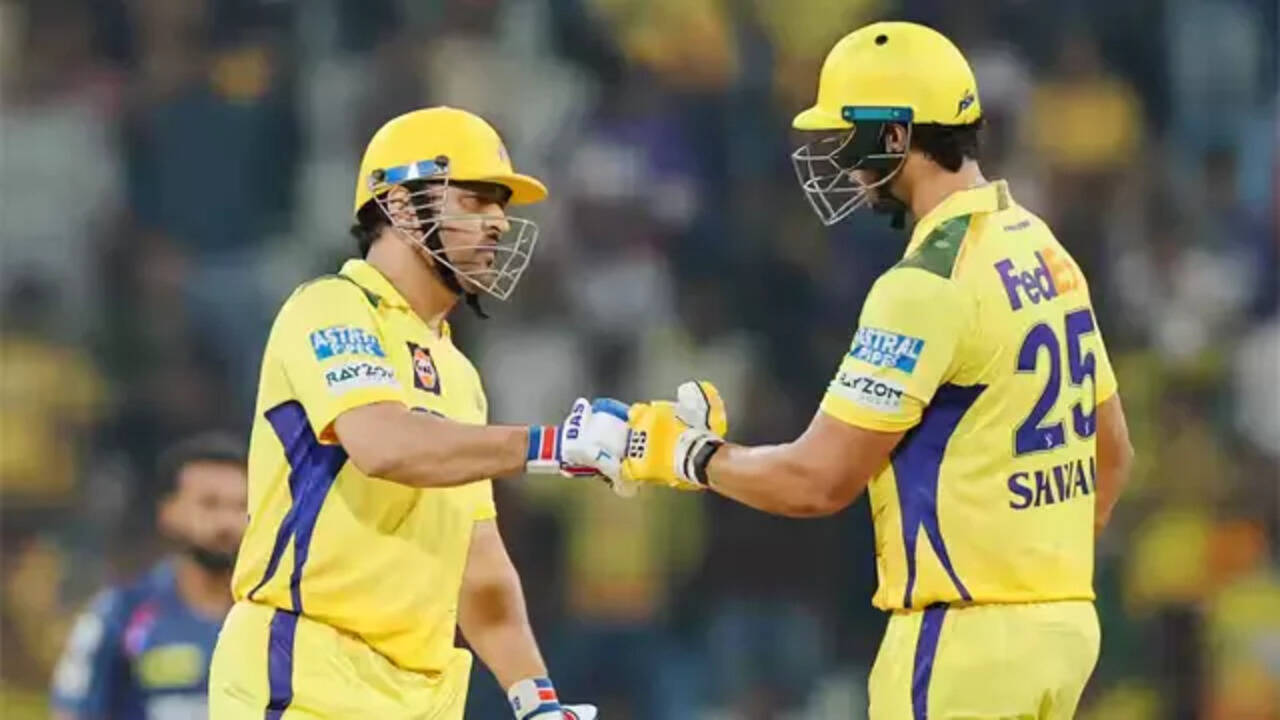
The four teams qualifying for the 2026 playoffs were Royal Challengers Bengaluru, Gujarat Titans, Sunrisers Hyderabad, and Rajasthan Royals. RCB ultimately emerged as champions after defeating Gujarat Titans by five wickets in the final. Gujarat Titans posted 155 for eight, and RCB successfully chased the target, with Virat Kohli contributing an unbeaten 75. The result gave Bengaluru another championship and reinforced the importance of experienced batting in a final where every partnership mattered.
For readers exploring IPL 2026, the playoffs offer a particularly interesting part of the season because league-stage statistics do not always predict knockout outcomes. Teams must adapt quickly, control their nerves, and execute their plans under intense pressure. One outstanding innings or a short spell of accurate bowling can determine the outcome of an entire campaign.
What Made the 2026 Season Special?
The season stood out for its combination of established stars and emerging talent. Experienced players continued to influence important matches, while younger cricketers demonstrated that age does not necessarily limit performance at the highest level. The emergence of Sooryavanshi as the leading run-scorer was especially notable because it brought attention to the depth of young batting talent in Indian cricket.
Another defining feature was the competitiveness of the points table. Three teams ended the league stage with 18 points, creating a close contest for the leading positions. Rajasthan Royals secured the final playoff spot, while Punjab Kings finished just outside the top four. At the other end of the standings, Mumbai Indians and Lucknow Super Giants each collected eight points, illustrating how difficult it can be to recover after a series of defeats. The contrasting campaigns made the season engaging for supporters of different franchises.
How Fans Can Follow IPL Statistics and Results
Following a cricket tournament involves more than checking the final score. Fans can gain a better understanding of team performance by examining batting averages, strike rates, bowling economy, wickets taken, partnerships, and net run rate. These statistics explain why a team may win despite scoring fewer runs than expected or why a seemingly strong campaign ends without playoff qualification.
For example, a batter scoring 40 runs from 20 balls can provide a greater scoring impact than someone making 45 from 40 deliveries, depending on the match situation. Similarly, a bowler who concedes few runs during the final overs can be extremely valuable even without taking multiple wickets. Looking at these details helps supporters understand the tactical decisions behind match results and appreciate contributions that may not be obvious from the scoreboard alone.
Fans revisiting IPL 2026 can also compare performances across the season to identify consistent players, examine turning points in important matches, and understand how momentum changed between the league stage and playoffs. Such comparisons make cricket statistics more meaningful and provide a clearer picture of why particular teams succeeded.
Conclusion
The 2026 Indian Premier League season delivered a memorable combination of competitive team performances, emerging stars, impressive individual statistics, and a successful championship defence. Royal Challengers Bengaluru finished the tournament as champions after defeating Gujarat Titans in the final, while Vaibhav Sooryavanshi and Kagiso Rabada led the major run-scoring and wicket-taking charts. The close league standings also demonstrated how consistency and net run rate can influence a franchise’s chances of reaching the playoffs. Overall, IPL 2026 offered valuable examples of the importance of teamwork, tactical flexibility, and individual excellence in T20 cricket. From the race for the Orange Cap and Purple Cap to the pressure of knockout matches, the season provided plenty for cricket enthusiasts to analyse and remember. Its results and performances will remain an important part of the tournament’s history, while the next edition will bring fresh rivalries, new challenges, and further opportunities for players to make their mark.

