
The Indian Premier League has transformed cricket into a fast-paced sporting spectacle that combines competitive matches, international talent, entertainment, and business innovation. Since its launch in 2008, the tournament has attracted millions of viewers and established itself as one of the most recognizable franchise-based cricket competitions in the world. Its shorter match format, powerful batting displays, dramatic finishes, and exciting rivalries have helped it reach audiences far beyond traditional cricket-following communities.
The appeal of the IPL goes beyond sixes, wickets, and championship celebrations. It brings together experienced international stars, emerging Indian cricketers, talented domestic players, and young prospects who want to prove themselves on a major stage. Every season creates new opportunities for players to build reputations, teams to develop winning combinations, and supporters to experience unforgettable moments. The competition also influences cricketing tactics, player preparation, sports broadcasting, and the commercial development of the game.
Understanding the tournament means looking at more than match results. Its structure, team management, auction system, stadium atmosphere, and changing strategies all contribute to its success. As cricket continues to evolve, the league remains an important example of how sporting tradition can adapt to modern entertainment while maintaining the competitive spirit that makes the game special.
What Is the IPL and Why Is It So Popular?
The IPL is a professional Twenty20 cricket league organized by the Board of Control for Cricket in India. Each participating franchise builds a squad featuring Indian and overseas players, with team combinations shaped by auction rules, player availability, and tactical requirements. Matches generally last around three hours, making the competition accessible to viewers who want an exciting sporting experience without committing to an entire day of cricket.
One major reason for its popularity is the uncertainty of the T20 format. A team can dominate for several overs and still lose momentum after a couple of wickets. Similarly, a batter entering late in an innings can change the result with a short burst of aggressive scoring. These possibilities create suspense throughout a match. The league also benefits from recognizable players, regional loyalties, colorful stadiums, expert commentary, and memorable celebrations, giving supporters multiple reasons to remain emotionally invested.
Another important factor is the balance between local identity and international competition. Fans often support a franchise because it represents their city or region, while also following individual players from other countries. This combination helps the tournament attract different generations of viewers and introduces new audiences to cricket.
History and Evolution of the Tournament
The competition began in 2008 and quickly introduced a different approach to professional cricket. Instead of relying exclusively on traditional state or national teams, the franchise model brought together players through a structured selection and auction process. The inaugural season established the foundation for a competition in which team ownership, coaching expertise, player recruitment, and entertainment would become closely connected.
Over subsequent seasons, the tournament expanded its influence through changing team lineups, new franchises, international participation, and improvements in broadcasting. Several teams developed strong identities through consistent performances, while others experienced periods of rebuilding. Championship victories became defining moments for supporters, and individual achievements often created stories that continued long after a season ended. The league also became an important platform for discovering Indian talent that might otherwise have received less attention.
The evolution of the competition reflects broader changes in cricket. Teams increasingly rely on specialized roles, performance analysis, detailed scouting, and flexible batting orders. Coaches study matchups carefully, captains make decisions based on conditions and data, and players prepare for specific situations rather than following one fixed approach. These developments have helped make modern franchise cricket more tactical and demanding.
IPL Teams and Their Competitive Identities
The tournament features ten franchises representing different cities and regions of India. Each team has its own colors, supporters, management structure, and approach to building a competitive squad. Teams such as Chennai Super Kings, Mumbai Indians, Kolkata Knight Riders, Rajasthan Royals, Royal Challengers Bengaluru, Sunrisers Hyderabad, Delhi Capitals, Punjab Kings, Gujarat Titans, and Lucknow Super Giants contribute to the league’s diverse competitive landscape. Although the composition of squads changes over time, established rivalries and loyal fan bases remain important parts of the tournament’s identity.
Some franchises have built reputations around consistency and experienced leadership, while others have focused on aggressive recruitment and emerging talent. Mumbai Indians and Chennai Super Kings have historically been among the most successful teams, while Kolkata Knight Riders have also established a strong championship record. Royal Challengers Bengaluru added another significant chapter to their history by winning consecutive titles in 2025 and 2026. These achievements demonstrate how long-term planning, squad balance, and the ability to perform under pressure can influence a franchise’s success.
Understanding the Main Teams
The following table provides a quick overview of the ten franchises competing in the modern tournament.
| Team | Home city | General team identity |
|---|---|---|
| Chennai Super Kings | Chennai | Experienced leadership and tactical consistency |
| Mumbai Indians | Mumbai | Strong recruitment and championship experience |
| Kolkata Knight Riders | Kolkata | Aggressive cricket and adaptable combinations |
| Royal Challengers Bengaluru | Bengaluru | Attacking batting and passionate supporters |
| Rajasthan Royals | Jaipur | Youth development and innovative strategies |
| Sunrisers Hyderabad | Hyderabad | Powerful batting and attacking intent |
| Delhi Capitals | Delhi | A blend of emerging and established players |
| Punjab Kings | Mohali region | Flexible combinations and fresh ambitions |
| Gujarat Titans | Ahmedabad | Structured planning and competitive balance |
| Lucknow Super Giants | Lucknow | Tactical flexibility and squad depth |
Team strengths can change significantly between seasons because of injuries, player transfers, auctions, and changes in coaching staff. Therefore, supporters should evaluate current squad composition and recent performances instead of assuming that a franchise will always perform according to its historical reputation.
Tournament Format and How Matches Work
The competition generally follows a league-stage and playoff structure. Teams earn points through their match results, and their positions on the standings table depend on points and relevant tiebreaking criteria. Net run rate becomes particularly important when teams finish level on points, as it measures their scoring performance relative to their opponents across the relevant matches. This makes every over valuable, even when a team appears to be comfortably ahead or behind.

The leading teams qualify for the playoffs, where the tournament moves from a longer league competition to a series of high-pressure knockout or qualification matches. Under the established four-team playoff format, the top two teams receive an additional opportunity to reach the final through Qualifier 1 and Qualifier 2, while the third- and fourth-placed teams meet in the Eliminator. The winners eventually compete for the championship. Exact scheduling, qualification details, and competition regulations should always be checked for the particular season.
A typical T20 match gives each team twenty overs to bat, subject to the rules governing interruptions and shortened games. Batters must score quickly without losing too many wickets, while bowlers try to restrict scoring through disciplined lines, changes of pace, accurate yorkers, and well-planned field placements. Captains must also consider pitch conditions, dew, the strength of the opposition, and the availability of specialist bowlers. A target that appears easy at the beginning can become difficult if wickets fall early, while a well-timed partnership can completely change the direction of a chase.
The Importance of Player Auctions and Team Strategy
Player auctions are among the most closely followed events before a season begins. Franchises compete to secure players who can fill specific roles, including opening batters, middle-order finishers, fast bowlers, spinners, wicketkeepers, and all-rounders. Recruitment decisions are influenced by recent performances, fitness, experience, overseas-player restrictions, team budgets, and the availability of suitable alternatives. A high-profile signing can generate excitement, but the most expensive player is not automatically the best fit for every squad.
Effective recruitment requires a broader understanding of team balance. For example, a franchise with several attacking top-order batters might prioritize a reliable middle-order player who can stabilize an innings after early wickets. Another team playing at a ground with conditions that favor spin may place greater emphasis on quality spin bowlers. Coaches also assess how players perform against particular bowling styles and whether they can adapt to different match situations.
Good teams do not simply assemble talented individuals; they create combinations that work together. A lower-cost player who consistently performs a specialized role can be just as important as an international superstar. This is why scouting, player development, injury management, and tactical preparation remain essential throughout the season.
Batting, Bowling, and Modern T20 Strategies
Modern T20 cricket demands versatility from both batters and bowlers. Batters are increasingly expected to score against different lengths, use innovative shots, and change their approach according to the match situation. An opener may prioritize attacking during the powerplay, when fielding restrictions create scoring opportunities, while a middle-order batter might focus on rebuilding after wickets fall. Finishers generally aim to accelerate during the final overs, when teams attempt to maximize their total.
Bowling strategies have evolved alongside these attacking methods. Fast bowlers use slower deliveries, cutters, wide yorkers, and short-pitched balls to disrupt a batter’s timing. Spinners vary their speed and trajectory to encourage mistakes, particularly when the pitch offers assistance. Captains frequently change bowling plans according to matchups, boundary dimensions, and the strengths of the batters at the crease. These tactical adjustments make the contest between bat and ball more complex than the scorecard alone might suggest.
Fielding can be equally decisive. A direct-hit run-out, a difficult boundary catch, or a diving stop can change the result of a close match. Teams that save a handful of runs through sharp fielding may gain the advantage they need in the final overs. The best sides combine attacking intent with reliable execution in every department rather than depending entirely on big scores.
The Latest IPL Season: Highlights From 2026
The 2026 season provided another example of how quickly fortunes can change in franchise cricket. Royal Challengers Bengaluru defeated Gujarat Titans by five wickets in the final on 31 May 2026, successfully defending the championship they had won in 2025. Chasing a target of 156, Bengaluru reached 161 for five with twelve balls remaining. The victory made the franchise only the third in the tournament’s history to retain its title, joining Chennai Super Kings and Mumbai Indians in that achievement.
The season also highlighted the impact of emerging players. Rajasthan Royals batter Vaibhav Sooryavanshi finished with 776 runs and received the Orange Cap for scoring the most runs. Gujarat Titans fast bowler Kagiso Rabada claimed the Purple Cap with 29 wickets. These performances demonstrated that the tournament can reward both established international stars and young players capable of adapting quickly to elite competition. For aspiring cricketers, such achievements reinforce the value of preparation, confidence, and consistent execution.
The broader lesson from the 2026 campaign is that championships depend on more than individual brilliance. Bengaluru’s successful title defence required players to contribute in different situations, respond to pressure, and deliver when the stakes were highest. For followers assessing future seasons, the latest results provide useful context, but they do not guarantee that the same team will dominate again. Squad changes, injuries, form, and conditions can reshape the competitive balance every year.
Why the Tournament Matters Beyond Cricket
The tournament has developed into a major entertainment and commercial platform. Broadcasting, sponsorships, advertising, ticket sales, merchandise, and digital coverage connect franchises with supporters across different regions. For businesses, the competition offers access to a large audience, while broadcasters and streaming platforms use its fast-paced matches to attract viewers. Stadiums also benefit from increased activity around match days, including hospitality services, transport, food businesses, and local tourism.
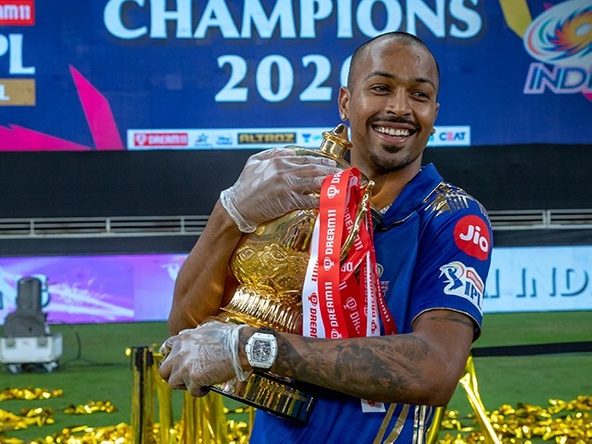
Its influence on player development is equally important. Young Indian cricketers have opportunities to train alongside international professionals, learn from specialist coaches, and experience pressure in front of large crowds. They can observe how experienced players prepare for different opponents, recover from difficult performances, and communicate during tense moments. Although success in a franchise competition does not automatically guarantee international selection, strong performances can help emerging players gain recognition.
The league also encourages innovation in coaching and performance analysis. Teams increasingly use video reviews, statistical models, workload monitoring, and detailed opposition assessments to improve decision-making. These methods support more informed planning, although cricket still contains uncertainty that cannot be eliminated by data alone. Instinct, composure, teamwork, and adaptability continue to matter whenever players enter the field.
What Makes the Fan Experience Special?
Supporters contribute significantly to the tournament’s atmosphere. Many fans follow a franchise because of its home city, family traditions, favorite players, or memorable past victories. Stadium crowds create energy through chants, flags, team colors, and celebrations, while viewers at home discuss selections, compare performances, and predict match outcomes. Social media extends these conversations beyond the stadium, allowing fans to react to important moments almost immediately.
For new viewers, following the competition becomes easier by focusing on a few essential elements: the points table, current team form, individual player roles, and the situation in each match. Rather than judging a batter only by the number of runs scored, viewers can consider the strike rate and the stage of the innings. Similarly, a bowler’s performance should be evaluated through wickets, economy rate, pitch conditions, and the difficulty of the overs assigned to them. These details provide a deeper appreciation of the tactical decisions that shape results.
Responsible viewing is also important. Fans should enjoy the competition as entertainment, respect players and opposing supporters, and avoid treating match predictions as guarantees. The uncertainty of sport is precisely what makes a close contest exciting, and no amount of statistical analysis can make every outcome predictable.
The Future of the IPL
The future of the competition will likely be shaped by continued improvements in player development, broadcasting technology, performance analytics, and fan engagement. Younger audiences increasingly expect convenient digital access, interactive statistics, and detailed match coverage. At the same time, traditional supporters continue to value stadium experiences, familiar rivalries, and the emotional connection created by long-standing team loyalties.
Franchises will also need to balance commercial ambitions with the physical demands of modern cricket. Players may face demanding schedules across different formats and international commitments, making recovery, workload management, and injury prevention increasingly important. Teams that invest in fitness, coaching, scouting, and a healthy team culture may be better positioned to sustain their performance over multiple seasons.
Competition among franchises should remain a defining feature of the league. New talent will challenge established stars, tactical trends will continue to evolve, and unexpected results will create fresh stories for supporters. Maintaining competitive quality while providing opportunities for developing players will be important to the tournament’s long-term appeal.
Conclusion
The IPL has become much more than a seasonal cricket competition. It combines sporting excellence, strategic team building, regional pride, emerging talent, and modern entertainment in a format that keeps viewers engaged. Its history demonstrates how strong leadership, effective recruitment, tactical flexibility, and the ability to perform under pressure can turn a promising team into a champion.
The 2026 season, highlighted by Royal Challengers Bengaluru’s successful title defence, further demonstrated the importance of consistency and teamwork. At the same time, individual achievements from players such as Vaibhav Sooryavanshi and Kagiso Rabada showed how the tournament continues to create opportunities for outstanding performances. As new seasons introduce fresh rivalries and emerging stars, the competition is likely to remain a central part of India’s cricket culture.
For anyone interested in understanding modern cricket, following team strategies, player development, and match situations provides a richer experience than simply checking final scores. The enduring appeal of the tournament lies in its unpredictability: every season brings new challenges, new heroes, and another opportunity for a franchise to make sporting history.

